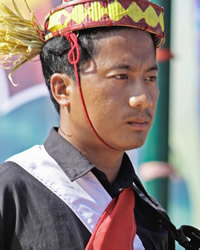

In 1983, Lochang was one of more than 50 tribes in Myanmar that were combined into a broad collection of cultural groups called “Tangshang.” The name was created by combining parts of the names of two famous chiefs, Tangnyu Vang (Tang) and Shangnyu Vang (Shang). An additional 3,500 Lochang people live immediately across the border in India’s Changlang area, where they are named “Longchang” and are part of the officially recognized Tangsa tribal collective.
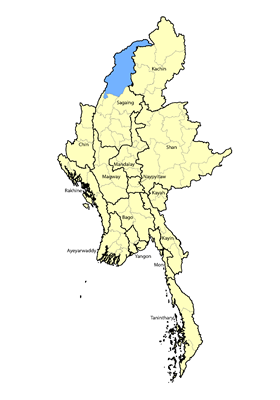
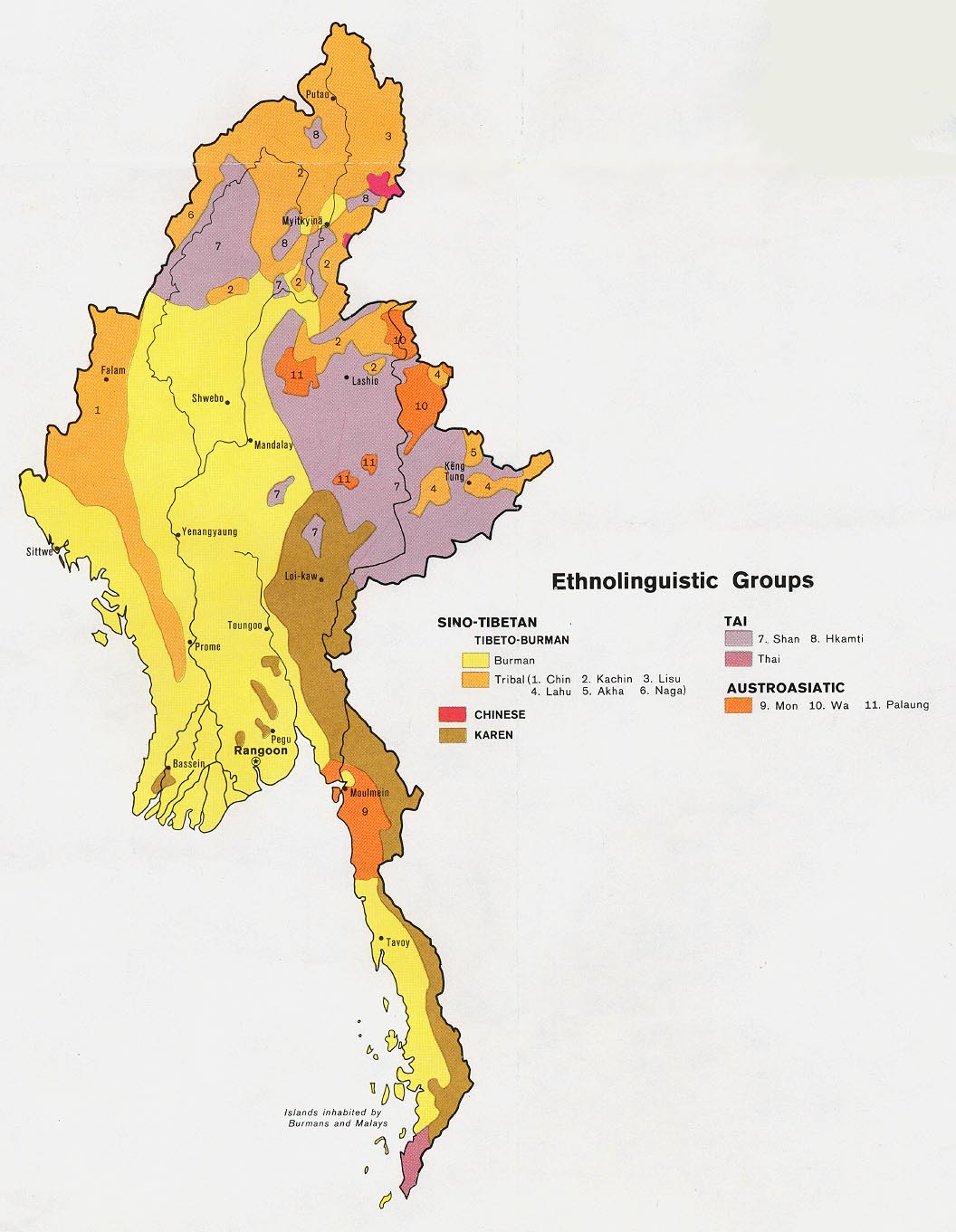
Location: Approximately 1,500 members of the Lochang tribe live in ethnically mixed villages with many other tribes in the Pangsau area of Lahe Township, immediately adjacent to the border between western Myanmar and the Indian state of Arunachal Pradesh. Two villages containing Lochang families are Loklai (20 households) and Naungsai (18), while 19 Lochang families live in Pangsau itself. The Patkai mountains form the barrier between Myanmar and India, with villages constructed at elevations of up to 6,560 feet (2,000 meters) above sea level, surrounded by evergreen forests and abundant wildlife. In the past, opium was cultivated in the area and sold by the Lochang and other tribes, but the practice has been stamped out today.
Language: Linguists visited the Pangsau area in 2013 and examined 500 Lochang people there. They found that the Lochang language is related to varieties spoken by a cluster of people groups, including Cholim, Cyamcyang, Dunghi, Lochang, Lungri, Maitai, Moshang, Mungre, and Shecyu.1 Each of these tribes speaks its own dialect and has been profiled separately in Operation Myanmar.
Lochang society is structured on a clan system, with up to 15 different clans identified among the tribe in India alone. Two of the main roles of the clan leaders were to maintain order and to regulate marriage within the tribe, with cross-cousin marriages preferred. A few decades ago, “child marriage was prevalent, but now adult marriage is in vogue. The marriageable age for girls is 15 years and for boys 17 years. The bride price is paid in cash and kind, such as pigs, buffaloes or cows, bronze discs, daos, rice beer, and fish.”
Whereas most other tribes in western Myanmar bury their dead as soon as possible, the Lochang “waited for at least three days. The usual place of burial was under the house of the deceased…. The body was buried fully dressed, then covered with mats. On the night of the funeral there was generally a feast for which the family of the dead person provided a buffalo or pigs, depending on their wealth.” The Lochang love to sing and perform dances, during which the men use traditional wooden drums. The modern world has helped bring this previously hidden tribe into the open through video clips available on the internet.
Unlike other Tangshang-related tribes in Myanmar that are overwhelmingly Christian, many Lochang people are Buddhists and an ancient form of Animism persists in the hearts and minds of people. Traditionally, “chickens were offered to the household spirits…. The Lochang placed groups of between six and twenty upright bamboo poles in the ground in a cluster near a corner of their house. Offerings of eggshells, bundles of feathers, strips of cloth, small gourds, and baskets were impaled or hung from the poles.” In India, the 2011 census showed that 71.3 percent of people were animists compared to just 22.3% who identified as Christian.
Although church leaders in India insist the Bible translation in the Shecyu dialect can benefit dozens of different tribes, the reality on the ground is quite different. One report found that even though Shecyu and Lochang share an 87 percent lexical similarity, “half of the Lochang subjects reported understanding half or less of the narrative. Thus, they are not likely to be well-reached through the Scriptures in their current form.” The Lochang will need their own Bible translation, but there is little to no desire among major translation ministries these days to start projects among language groups with small populations.
Scripture Prayers for the Lochang in Myanmar (Burma).
| Profile Source: Asia Harvest |